

„Denn von Zion wird Weisung ausgehen und das Wort des Herrn von Jerusalem.“ (Jes 2,3)
Dieser Abschnitt stellt das Leben, die Liturgie, die Geschichte und die Traditionen der vielfältigen christlichen Gemeinschaften im Land Israel vor. Er beleuchtet ihre Theologie, ihre Herausforderungen und ihr fortwährendes Zeugnis an dem Ort, an dem das Evangelium erstmals Wurzeln schlug.
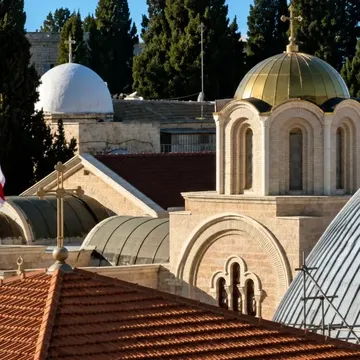 Is Christian Zionism really a “damaging ideology”—or is the controversy rooted in something deeper? This article examines the Jerusalem churches’ recent condemnation of Christian Zionism, probing its theological claims, political context, and implications for Palestinian Christians. It asks whether the churches’ opposition reflects timeless Christian theology—or a political posture shaped by the realities of the modern Middle East.
 Paddy Monaghan responds to the recent Jerusalem Patriarchs’ denunciation of Christian Zionism. Drawing on decades of Catholic renewal and the witness of evangelical Catholic leaders worldwide, Monaghan argues that biblical Zionism is not a political distortion but a faithful expression of historic Christian teaching on God’s enduring covenant with Israel.
Weiterlesen: Jerusalem Patriarchs Don’t Represent All Christians
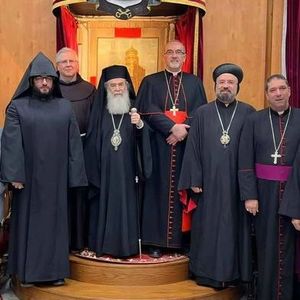 In a statement released on January 17, 2026, the "Patriarchs and Heads of Churches in Jerusalem" denounced Christian Zionism as a "harmful and damaging ideology"--sparking widespread debate among Christian and Jewish communities. A wide-ranging conversation on "Inspiration from Zion" discussed the statement, why it was made, and exploring the fallout. The discussion highlighted Christian Zionism's biblical roots, the signatories' identities, motivations, and the document's flaws, revealing tensions between theology, politics, and interfaith relations.
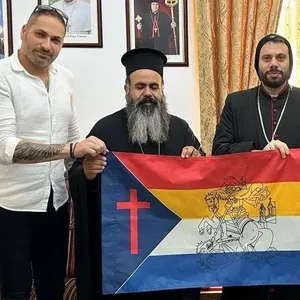
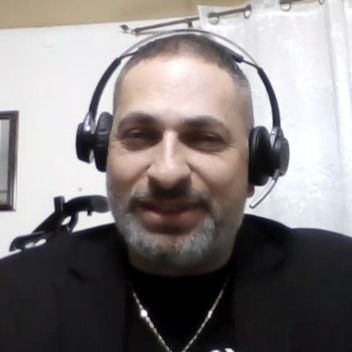 In this exclusive interview, Ihab Shlayan—Lieutenant Colonel (Res.) in the IDF, founder of "The Israeli Christian Voice," and one of the most prominent advocates for Christian‑Aramean identity in Israel—responds to the declaration issued by the “patriarchs and heads of churches in Jerusalem” condemning what they called “damaging ideologies such as Christian Zionism.”
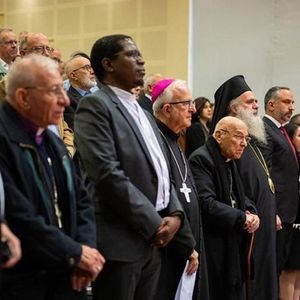 The 2025 iteration of the Kairos Palestine II declaration — ironically titled "A Moment of Truth: Faith in the Time of Genocide" — presents itself as a Christian, faith-based response to suffering. Yet upon close examination, it reads less like an ecclesial or theological document and more like a manifesto shaped by contemporary revolutionary ideology. Its language, assumptions, and moral logic mirror those of secular activist movements and Islamist propaganda far more closely than the Christian moral tradition it claims to represent.
Weiterlesen: A Moment of Truth? Kairos Palestine II: A Theological and Moral Critique
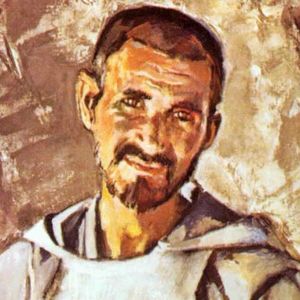 On the one hand, there is the Christian message of unconditional love and its emphasis on self-sacrifice at the hands of those who hate you unjustly: "No one can have greater love than to lay down his life for his friends." On the other hand, there is the logic of war: you want to liquidate those who hate you to the point of murdering your nation by all possible means, preferably the most horrific ones. What I identify as problematic is the conflation of these two logics - a confusion that I have a hard time not considering to be deliberate.
 While most Evangelical Protestants are generally friendly to the Jewish people and the State of Israel, there is a small band of Evangelical pastors and professors who want to line up all Evangelicals unilaterally on the Palestinian side. The most egregious example may be Anglican vicar Stephen Sizer, whose has chummed up with the likes of Naturei Karta and Iranian President Ahmadinejad. But Gary Burge probably wields the greater influence.
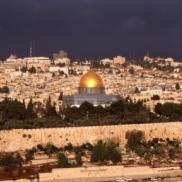 In the plan of God’s rule over history, Israel has a great role to play in preparing the nations for the return of the Messiah in glory. In the twentieth century began the great epochal change preparing mankind for the conclusive event of history: the final coming of the Kingdom of God, for which all Christians pray every day, saying: Thy Kingdom come!
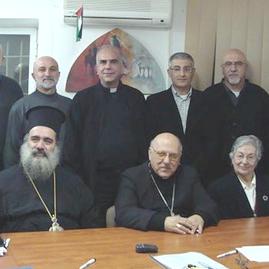 Ende 2009 tat sich eine kleine Gruppe christlicher palästinensischer Geistlicher und Laien zusammen und ersann ein Dokument mit dem Titel „Kairos Palästina“. Zwei Jahre später, hat der harte Kern der ursprünglichen Autoren in Bethlehem mit Unterstützern aus dem Ausland eine Konferenz zum Jahrestag abgehalten. Diesmal machten sie sich zum Tribunal, vor dem alle Kirchen der Welt angeklagt wurden, sie zeigten nicht genug Begeisterung für das damalige Dokument.
Weiterlesen: „Kairos Palästina“: Vom Geflunker zum Größenwahn
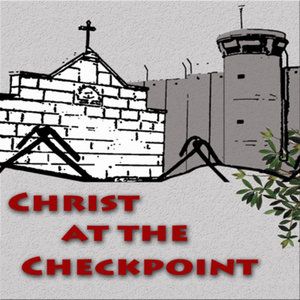 Seit mehr als zwei Jahrzehnten wird die christliche Welt von den Schriften selbst ernannter „palästinensischer christlicher Theologen“ durcheinander gebracht. Da ihre hellsten Leuchten protestantische Pastoren sind, sind sie kleine Lichter unter den überwiegend orthodoxen und katholischen Gläubigen des Heiligen Landes. Doch in modernistisch-protestantischen Kreisen des Auslands sind sie eigentümlich beliebt; Kirchenbürokraten hegen sie besonders.
Weiterlesen: „Palästinensischer Theologe“ wirft „palästinensische Theologie“ in den Müll
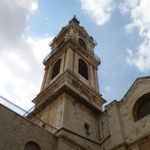 A “bird’s eye view” of the Latin Catholic Church in the Holy Land, including the Latin Patriarchate of Jerusalem and the Franciscan Custody of the Holy Land.
