

מדור זה מציג את תורותיה הרשמיות של הכנסייה הקתולית בנוגע ליהדות ולעם היהודי מאז נוסטרא אטאטה (1965). טקסטים אלו מציעים הנחיה מוסמכת להבנת הכנסייה את ישראל, את הברית ואת מערכת היחסים המתמשכת בין יהודים לנוצרים. יחד הם מהווים יסוד מוצק ללימוד, לדיאלוג ולמעורבות נאמנה בחזון המאגיסטריאלי של הכנסייה.
Stressing once again the unique status of the Jewish-Catholic relationship, this document further discusses the relevance of revelation, the relationship between the Old and the New Covenant, the relationship between the universality of salvation in Jesus Christ and the affirmation that the covenant of God with Israel has never been revoked, and the Church’s mandate to evangelize in relation to Judaism.
קרא עוד: The Gifts and the Calling of God are Irrevocable (2015)
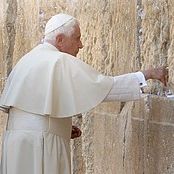
Paragraph 43 of Verbum Domini (2010) addresses the special bond between Christians and Jews arising from their shared scriptural heritage. Calling Jews "beloved brothers" in the faith of Abraham, Benedict XVI draws on St. Paul's reminder that the gifts and call of God are irrevocable, and encourages dialogue and shared study of the sacred Scriptures.
קרא עוד: From the Apostolic Exhortation Verbum Domini (2010)
The Jewish People and their Sacred Scriptures offers a comprehensive account of how the Church understands the relationship between the Hebrew Scriptures and the New Testament. It affirms the enduring theological value of the Jewish reading of Scripture, rejects any notion that the Old Testament is obsolete, and highlights the deep continuity between Israel’s Scriptures and Christian faith. The document encourages Catholics to approach Jewish interpretations with respect, recognizing them as a living tradition that can enrich Christian understanding.
קרא עוד: The Jewish People and their Sacred Scriptures in the Christian Bible (2001)
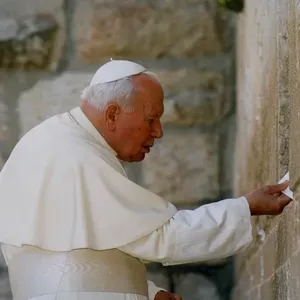 In March 2000 Pope John Paul II visited Israel. During the visit a historic ceremony was held in the Hall of Remembrance in Yad Vashem expressing the wish for reconciliation between the Catholic Church and the Jewish people.
קרא עוד: Prayer of Pope John Paul II at the Western Wall (2000)
Memory and Reconciliation invites the Church to examine the sins of her members in history, including those committed against the Jewish people. Section 5.4 highlights the unique gravity of Christian anti‑Judaism, calling Catholics to repentance, renewed fidelity to Israel’s enduring covenant, and a deeper commitment to healing the relationship wounded across centuries. It frames this examination not as self‑accusation but as a purification of memory that strengthens the Church’s witness to the God of mercy and truth.
קרא עוד: Memory and Reconciliation: The Church and the Faults of the Past (1999)
We Remember reflects on the Shoah and urges Catholics to confront the history of Christian anti‑Judaism with honesty and repentance. It distinguishes between the Church’s faith and the sinful actions of her members, calling for deeper solidarity with the Jewish people in the face of ongoing antisemitism. The document frames remembrance as a moral and spiritual duty that strengthens the Church’s commitment to authentic Jewish‑Catholic friendship.
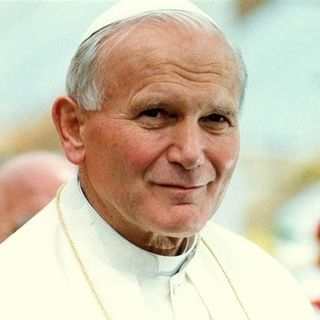 "The fact of divine election is at the origin of this small people situated between the great pagan empires whose brilliant culture overshadowed them. This people was gathered together and led by God, the Creator of heaven and earth. Thus its existence is not a mere fact of nature or culture, in the sense that through culture man displays the resources of his own nature. It is a supernatural fact."
קרא עוד: Address of Pope John Paul II to a Symposium on the Roots of Anti-Judaism (1997)
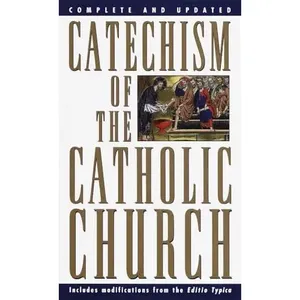 The Catechism of the Catholic Church, initially promulgated in 1992, represents the most authoritative modern synthesis of Catholic doctrine. Among its teachings are a set of passages that address the Church’s relationship with the Jewish people and Judaism — a relationship the Catechism insists is unique, living, and theologically constitutive of Christian identity itself.
קרא עוד: The Catechism of the Catholic Church on Israel and Judaism (1994)
The 1985 Notes deepen the Church’s postconciliar teaching by clarifying how Judaism should be presented in Catholic preaching, catechesis, and scholarship. They stress respect for Jewish self-understanding, highlight the ongoing vitality of Jewish covenantal life, and warn against theological distortions—especially supersessionism and misuse of Scripture. The document also urges Catholics to recognize the Jewish roots of Christian faith and to approach dialogue with historical honesty and genuine reciprocity.
"Whoever meets Jesus Christ, meets Judaism." I would like to make these words mine, too. The faith of the Jesus Christ, the son of David and the son of Abraham contains "the total heritage of Israel for the Church"...
קרא עוד: Address to Representatives of the West German Jewish Community (1980)
The 1974 Guidelines was the first document issued by the Commission for Religious Relations with the Jews. Practical rather than theological in character, it offers concrete suggestions for putting the intentions of Nostra Aetate into practice. Its central concern is that Christians strive to become acquainted with Judaism as Jews define it themselves, addressing dialogue across liturgy, education, and common social action.
