

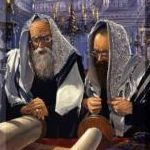
"Non pensate ch’io sia venuto per abolire la legge o i profeti; io son venuto non per abolire, ma per compiere. Poiché in verità vi dico: finché il cielo e la terra non passeranno, neppure un iota o un solo apice passerà dalla legge, prima che tutto sia adempiuto." (Mt 5,17‑19)
Articoli che esaminano come la Torah e il Vangelo si illuminano a vicenda nell’unità della rivelazione divina. Questa sezione considera anche la vocazione dei discepoli ebrei di Gesù — Ebrei messianici, Ebrei‑cattolici ed Ebrei cattolici — e il loro rapporto con le mitzvot all’interno della Chiesa cattolica.
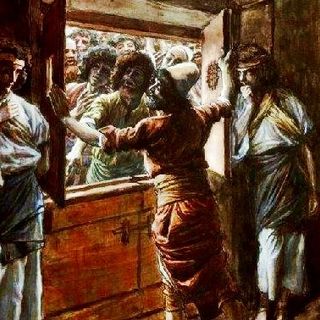 Among the sexual perversions proscribed as criminal offenses in the moral code of the Torah are homosexual relations between males (Lev. 18:22). Talmudic law extends the prohibition also to lesbianism. Rabbinic sources advance various reasons for the strict ban on homosexuality, which is regarded as a universal law included among “the Seven Commandments of the Sons of Noah.”
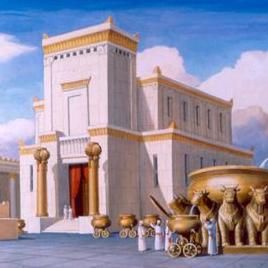 A Temple is a seat of Divine Presence. In Judaism, there are two Temples, one for the dimension of time, the Sabbath, and one for the dimension of space, the Temple in Jerusalem. Christianity adds a third, the Son of G-d incarnate in the nature of man.
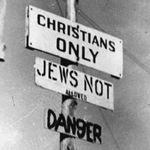 It seems to me that a Catholic cannot help but be a crass supersessionist unless he recognizes the value that keeping the Law of Moses can have for the Jew who would serve G-d as He revealed Himself through His Incarnate Son.
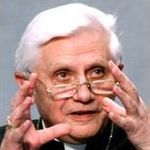 The history of the relationship between Israel and Christendom is drenched with blood and tears. It is a history of mistrust and hostility, but also - thank God - a history marked again and again by attempts at forgiveness, understanding and mutual acceptance... Can Christian faith, left in its inner power and dignity, not only tolerate Judaism but accept it in its historic mission? Or can it not? Can there be true reconciliation without abandoning the faith, or is reconciliation tied to such abandonment?
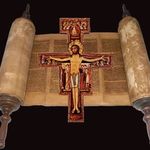 There are no disagreements between Judaism and Catholicism. Where their teachings diverge, it is because they apply to two different, well, let’s call them universes, two ways that human experience is unified (uni-verse, “turned into one”) in relation to G-d according to their respective covenants.
Leggi tutto: Judaism & Catholicism: The Essential Difference
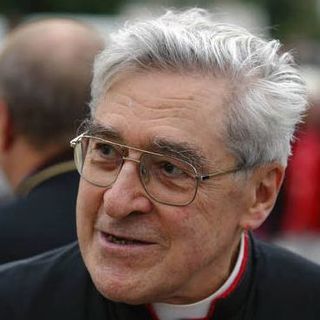 From Cardinal Jean-Marie Lustiger's Book 'The Promise':"The Church appears in Jerusalem, after Pentecost, as an "assembly" kahal in Hebrew, ecclesia in Greek. it is unthinkable that she would claim to replace Israel. She is not another Israel, but the very, fulfillment, in Israel, of God's plan..."
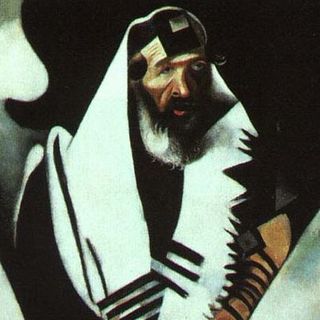 The commandments of the Law of Moses require both interior and exterior acts. There are commandments which pertain to the heart (love of G-d, to love of neighbor, fear of G-d etc.) and commandments which pertain to the body (resting on the Sabbath, eating kosher food, etc.). Virtually all the commandments of Jesus relate to interior acts. True, he requires acts of charity. He requires us to feed the hungry, clothe the naked, visit the sick etc. but that is because those acts bear witness to love. It is the love that he requires, and it has been said by Catholic saints that, without love, even such acts are meaningless.
 The sanctification of the body is important because, as St. Paul points out in Romans 7, the law of sin, i.e., the impulse to sin, resides in the body. The sanctification of the body through the repeated acts of obedience to the ceremonial law is directed to uprooting that impulse to sin.
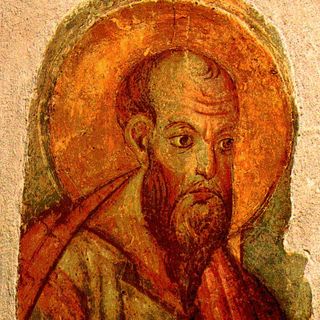 L'ebreo battezzato è ancora ebreo? È ancora obbligato ad osservare la Legge? Non aveva detto San Paolo di no? Lo scopo di questo articolo è di affrontare queste domande esaminando alcuni dei passaggi più rilevanti delle epistole di San Paolo. Vedremo che un'accurata lettura delle sue lettere suggerisce che proprio il motivo di San Paolo di esonerare i gentili dall'osservanza dei comandamenti approfondisce il significato della Legge e il valore dell'osservanza per gli ebrei cristiani.
Leggi tutto: San Paolo sulla Legge Ebraica e gli Ebrei Cattolici
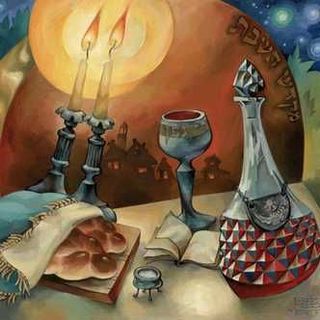 Are the laws of kashrut (the Jewish dietary laws) just empty, outdated rules, or do they serve a purpose in glorifying God for the Catholic Jew?
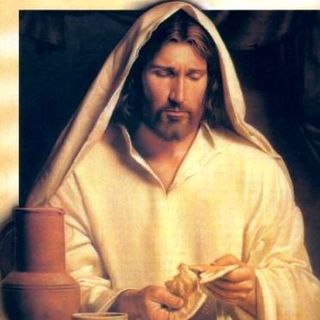 Gesù ha annullato l'osservanza della Legge? Questo articolo esamina alcuni argomenti biblici sostenenti la dottrina tradizionale che esonera, non solo i gentili, ma anche gli ebrei battezzati dall'osservanza della Legge della Torah. Esamineremo qui alcuni episodi che sono stati interpretati per mostrare che Gesù ha annullato l'osservanza della Legge: Gesù e le leggi dietetiche kashrut, Gesù e il Sabato, e la visione di Pietro degli animali in Atti 10.
